
In the Canadian industry, I’ve learned the significance of distinguishing between key practices for workplace safety. The terms “flagging” and “rigging” are frequently used, yet their meanings and importance are not always clear.

Ensuring a safe work environment is paramount, and both flagging and rigging are crucial. Occupational health heavily relies on the correct application of these practices. This article delves into the definitions, roles, and significance of flagging and rigging in maintaining workplace safety in Canada.
Grasping the differences between these practices helps professionals navigate their work environments more effectively. This leads to a safer workplace for everyone.
Understanding Workplace Safety in Canadian Industries
Workplace safety is a critical issue in Canadian industries, where hazards are a constant concern. Ensuring a safe working environment is not just a moral obligation. It is also a legal requirement for employers across Canada.
Key Statistics on Workplace Accidents in Canada
Recent statistics show that thousands of Canadian workers are injured on the job every year. In 2022 alone, there were over 240,000 reported workplace injuries. These injuries resulted in significant economic losses and human suffering. The need for effective safety protocols to mitigate workplace hazards is clear.
The Economic and Human Cost of Safety Failures
The impact of workplace accidents goes beyond the individual, affecting businesses and the broader economy. The direct and indirect costs of workplace injuries are substantial. This includes medical expenses, lost productivity, and workers’ compensation claims. Moreover, the human cost of safety failures can be devastating, leading to long-term health issues and even fatalities.
The Role of Proper Safety Protocols
Implementing proper safety protocols is essential to preventing workplace accidents. This includes providing regular training, conducting risk assessments, and ensuring compliance with legislative standards. By prioritizing workplace safety, Canadian industries can reduce workplace hazards. This creates a safer working environment for all employees.
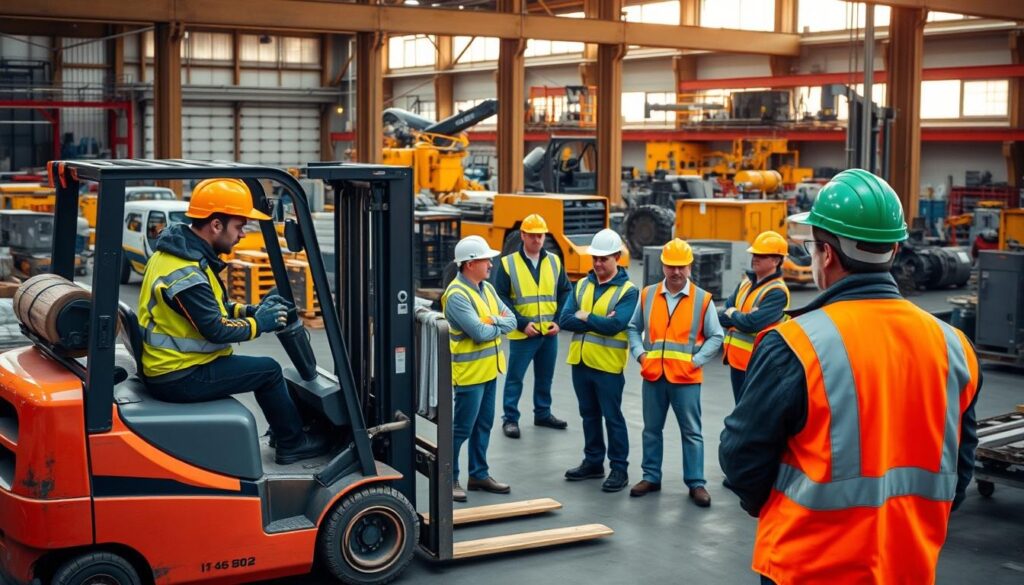
What is Flagging? Defining the Practice and Its Purpose
In the workplace, flagging is crucial for directing traffic and ensuring safety. It involves trained personnel, known as flaggers, controlling traffic near workers. This prevents accidents and maintains a safe work environment.
Core Responsibilities of a Flagger
A flagger’s main duty is to safeguard workers and the public by managing traffic. They must monitor traffic flow and make decisions to avoid hazards. Flaggers need to stay alert and ready to adapt to changing situations.
Equipment and Tools Used in Flagging
Flaggers employ various tools, such as stop/slow paddles, high-visibility clothing, and communication devices. These tools help them manage traffic and communicate with others.

Communication Systems and Protocols
Effective communication is key in flagging operations. Flaggers use standardized hand signals and devices to coordinate with others. This ensures everyone is informed and can respond appropriately.
Understanding flagging’s role in workplace safety helps industries implement better safety measures. Proper training and the right equipment are vital for flaggers to do their job well.
What is Rigging? Exploring the Fundamentals
Grasping the concept of rigging is crucial for ensuring a safe workplace in sectors that handle heavy lifting. It involves the strategic use of equipment and techniques to manage the movement of heavy loads. This is a vital process across industries like construction, manufacturing, and heavy industry
Essential Functions of Rigging Operations
Rigging operations encompass a range of tasks that demand meticulous planning. The essential functions include evaluating the load, choosing the right rigging equipment, and ensuring all personnel are trained and informed about their duties.
Types of Rigging Equipment
Diverse rigging equipment is employed based on the load’s nature and the setting. Common items include wire ropes, slings, and shackles. Each piece has its own use and safety protocols.
Load Calculation and Planning
Accurate load calculation and planning are key to safe rigging practices. This entails determining the load’s weight and size, checking the rigging equipment’s capacity, and planning the lift to prevent accidents. Effective planning is essential for safeguarding both personnel and equipment.
By mastering the basics of rigging, including its functions, equipment types, and load planning, industries can greatly lower accident risks. This enhances occupational health significantly.
Flagging vs. Rigging: Key Differences and Their Role in Workplace Safety
Flagging and rigging are crucial for workplace safety, but they serve different functions. It’s vital to understand their distinct roles to appreciate their importance in ensuring a safe work environment.
Key Operational Differences
Flagging involves directing traffic or personnel to ensure safe movement around a work site. It uses hand signals or flags. Rigging, however, involves the use of equipment like ropes, chains, and pulleys to lift and move heavy loads. This highlights the unique operational needs of each practice.
Complementary Roles in Safety Management
Flagging and rigging play complementary roles in safety management. Effective flagging ensures personnel are aware of hazards and can navigate safely. Proper rigging practices prevent accidents related to load handling. Together, they form a comprehensive safety strategy.
When and Where Each Practice is Critical
Flagging is crucial in areas with high pedestrian or vehicular traffic, like construction sites or roadwork zones. Rigging is essential in industries that involve heavy lifting, such as manufacturing, construction, or maritime operations. Knowing when and where to apply each is key to maximizing workplace safety.
In conclusion, both flagging and rigging are indispensable for maintaining safety protocols in various workplaces. Recognizing their differences and complementary roles helps employers implement more effective safety measures. This reduces the risk of accidents and ensures a safer work environment.
Equipment Inspection and Maintenance: The Foundation of Safe Operations
The cornerstone of safe operations in the workplace is the regular inspection and maintenance of equipment. This is particularly true for rigging equipment, where failure can have catastrophic consequences. Ensuring that all equipment is in good working condition is a critical aspect of safe practices in industries that rely on rigging and flagging operations.
Pre-Use Inspection Protocols
Before using rigging equipment, it’s essential to conduct a thorough pre-use inspection. This involves checking for signs of wear, damage, or corrosion that could compromise the integrity of the equipment. Inspectors should look for any deformation, cracks, or excessive rust on critical components such as hooks, slings, and shackles.
Maintenance Schedules and Documentation
Regular maintenance is vital to extending the lifespan of rigging equipment and ensuring it remains safe for use. Maintenance schedules should be strictly adhered to, with detailed records kept of all inspections and repairs. This not only helps in tracking the condition of the equipment over time but also aids in compliance with legislative requirements.
| Equipment Type | Inspection Frequency | Maintenance Action |
| Rigging Slings | Daily/Before Use | Inspect for damage, replace if necessary |
| Shackles and Hooks | Weekly | Lubricate moving parts, inspect for wear |
| Cranes and Hoists | Monthly | Perform a thorough inspection, including load tests |
When to Remove Equipment from Service
Knowing when to remove equipment from service is crucial for preventing accidents. Equipment should be taken out of service if it shows signs of significant wear or damage, or if it has been involved in an incident. Repairs should only be carried out by qualified personnel, and the equipment should be thoroughly inspected before being returned to service.
By adhering to these safety protocols and maintaining rigging equipment properly, industries can significantly reduce the risk of accidents and ensure a safer working environment for all employees.
Canadian Legislation and Standards for Flagging and Rigging
Flagging and rigging in Canada adhere to strict standards to safeguard workers and ensure operational safety. These legislation are vital for maintaining a safe work environment across various sectors.
Also Read: How Do Workplace Accidents Affect Employees Mentally and Emotionally?
Federal Safety Guidelines
At the federal level, guidelines for flagging and rigging are set by bodies like the Canadian Standards Association (CSA) and the Occupational Safety and Health Administration (OSHA). These guidelines offer a framework for safety training and risk assessment. They ensure workers are prepared to handle equipment and operations safely.
Provincial Variations in Safety Requirements
While federal guidelines serve as a foundation, provinces in Canada may have additional or different safety requirements. For example, Ontario’s Occupational Health and Safety Act (OHSA) and Alberta’s Occupational Health and Safety Code may have unique stipulations for occupational health and safety protocols. It’s crucial for employers to be familiar with this provincial legislation to ensure compliance.
Certification and Compliance Measures
Certification programs are available for workers in flagging and rigging to meet this legislation. These programs cover critical topics like load calculation, equipment inspection, and safe operating practices. Regular audits and inspections are conducted to verify compliance, highlighting the need for ongoing safety training and risk assessment.
By following Canadian legislation and standards for flagging and rigging, industries can greatly reduce accident risks and improve overall workplace safety.
Training and Certification: Becoming Proficient in Flagging and Rigging
In Canada, the focus on proper training and certification for flagging and rigging highlights a strong commitment to workplace safety. Workers must complete thorough training programs to perform these tasks effectively.
Required Qualifications in Canada
Canadian laws require specific qualifications for those involved in flagging and rigging. These qualifications ensure workers grasp safe operation principles and apply them in different settings.
Available Training Programs Across Provinces
Across Canadian provinces, various training programs meet the needs of industries that rely on flagging and rigging. These programs aim to provide workers with the skills and knowledge they need.
| Province | Training Programs | Certification Offered |
| Ontario | Flagging and Rigging Safety | Yes |
| British Columbia | Rigging and Load Calculation | Yes |
| Alberta | Flagging Operations and Safety Protocols | Yes |
Ongoing Education and Skill Development
Continual education is key to maintaining proficiency in flagging and rigging. Refresher courses and updates keep workers informed about the latest safety protocols and legislation.
Refresher Courses and Updates
Refresher courses aim to strengthen existing knowledge and fill any understanding gaps. They are crucial for ensuring workers remain competent.
Specialized Certifications for High-Risk Environments
In high-risk environments, specialized certifications offer additional training. This training is tailored to specific workplace hazards, preparing workers for complex situations.
“The right training is not just about compliance; it’s about creating a culture of safety that permeates every level of an organization.”
— Safety Expert
By investing in comprehensive training and certification programs, Canadian industries can significantly reduce workplace hazards associated with flagging and rigging.
Conclusion:
I have outlined the vital roles of flagging and rigging in workplace safety across Canadian industries. By grasping the nuances between these practices and adhering to safety protocols, employers can markedly decrease accident risks. This leads to a safer workplace environment.
Effective risk assessment and adherence to safe practices are crucial in averting workplace mishaps. As we’ve discussed, both flagging and rigging necessitate specialized training and certification. This ensures workers are proficient in performing their duties safely.
By prioritizing workplace safety and investing in ongoing training and certification, employers can cultivate a safety culture. This culture protects workers and enhances a healthy, productive work environment. Such an approach not only benefits employees but also boosts the organization’s overall success.