
As a safety professional, I’ve witnessed numerous tragic accidents resulting from mistakes in confined space entry. Ensuring a safe working environment is crucial, and it starts with understanding the risks associated with confined spaces.
Working in confined spaces can be hazardous if not done properly. I’ve seen cases where a lack of proper training, inadequate safety protocols, and insufficient equipment have led to devastating consequences.
In this article, I’ll outline the critical mistakes made during confined space entry and provide practical advice on what are confined spaces and how to prevent mistakes in confined space, ensuring a safer working environment for everyone involved.
Understanding Confined Space Hazards in Canadian Workplaces
Confined space hazards pose significant risks in Canadian workplaces, making it essential to comprehend their nature and implications. Confined spaces are areas that are large enough for workers to enter and perform tasks, but they have limited or restricted means of entry and exit, and are not designed for continuous occupancy.
What Qualifies as a Confined Space?
A confined space can be a tank, vessel, pit, or duct, among other areas. To qualify as a confined space, it typically must have limited openings for entry and exit, not be designed for continuous human occupancy, and potentially contain hazardous atmospheres or substances.
The Stakes: Why Confined Space Safety Matters
The risks associated with confined spaces are significant. Workers may face hazards such as toxic atmospheres, explosions, or being overcome by hazardous materials. Ensuring safety in these areas is critical to prevent injuries and fatalities.
Canadian Legislation and Provincial Variations
Canada has legislation in place to manage confined space hazards, but these can vary by province. For instance, Ontario’s Occupational Health and Safety Act and the Confined Spaces Legislation (CSR) provide a framework for managing confined space risks.
| Province | Legislation | Key Requirements |
| Ontario | Confined Spaces Legislation(CSR) | Risk assessment, training, and entry permits |
| British Columbia | Occupational Health and Safety Legislation | Hazard assessment, safe entry procedures |
| Saskatchewan | Occupational Health and Safety Legislation | Hazard assessment, safe entry procedures |
| Alberta | Occupational Health and Safety Code | Confined space entry plans, worker training |
Deadly Mistake #1: Inadequate Hazard Assessment
One of the most significant mistakes in confined space entry is failing to conduct a thorough hazard assessment. This oversight can lead to unidentified risks, putting workers in potentially life-threatening situations.
Common Assessment Oversights
Common oversights in hazard assessments include failing to identify atmospheric hazards, neglecting to evaluate the physical condition of the confined space, and ignoring the potential for engulfment or entrapment. Proper training is essential to recognize these hazards.
Creating a Comprehensive Hazard Assessment Protocol
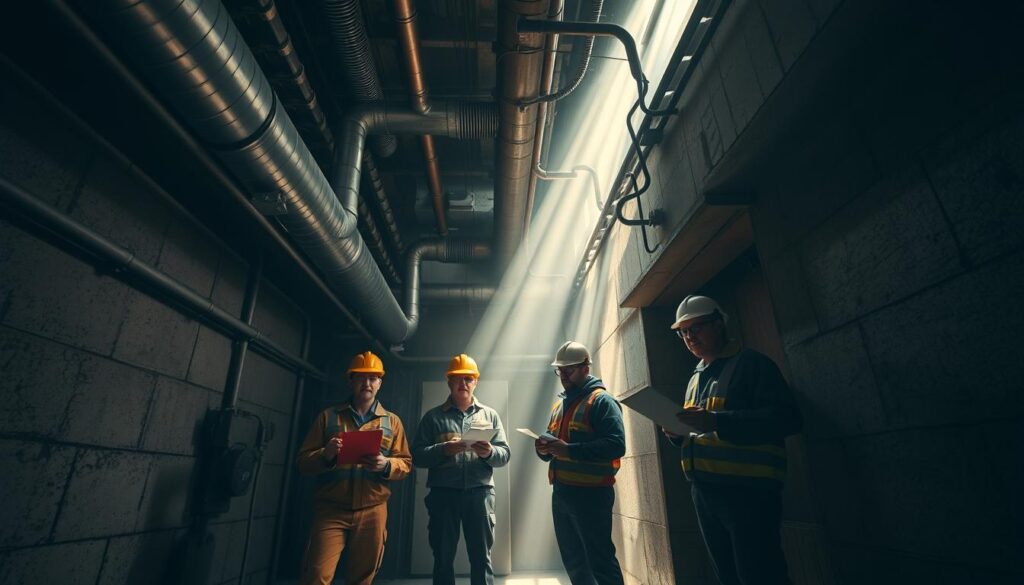
To create a comprehensive hazard assessment protocol, it’s crucial to involve a multidisciplinary team. This team should include workers who will be entering the confined space, supervisors, and safety experts. Together, they can identify potential hazards and develop strategies to mitigate these risks.
Also Read: What Every Worker Needs to Know About Dangerous Goods (TDG Basics)
Prevention Strategy: Systematic Risk Evaluation
A systematic risk evaluation involves identifying potential hazards, assessing the likelihood and potential impact of these hazards, and implementing controls to mitigate or eliminate the risks. Regular reviews and updates of the hazard assessment are necessary to ensure ongoing safety.
Deadly Mistake #2: Insufficient Atmospheric Testing
Failing to properly test the atmosphere within a confined space is a grave mistake that can lead to serious injuries or fatalities. Atmospheric testing is a vital component of confined space safety, and its importance cannot be overstated.
When entering a confined space, it’s crucial to monitor the atmosphere for hazardous gases and conditions. This involves identifying the critical gases that need to be monitored, following proper testing procedures, and determining the frequency at which these tests should be conducted.
Critical Gases to Monitor in Canadian Industrial Settings
In Canadian industrial settings, several gases pose significant risks. These include:
- Oxygen (O2) – to ensure adequate oxygen levels
- Flammable gases (e.g., methane, hydrogen) – to prevent explosions
- Toxic gases (e.g., hydrogen sulfide, carbon monoxide) – to prevent poisoning
Monitoring these gases is essential to prevent adverse health effects and ensure a safe working environment.
Also Read: 5 Types of Fall Protection Systems and When to Use Them
Proper Testing Procedures and Frequency
Proper atmospheric testing involves using calibrated equipment to measure gas concentrations. The frequency of testing depends on the specific work environment and the nature of the confined space.
| Testing Frequency | Condition |
| Before entry | Initial testing to ensure safe conditions |
| Continuous monitoring | During work, especially if conditions may change |
| Periodic retesting | At intervals determined by the hazard assessment |
Canadian Legislation Provides guidelines for the proper procedures and frequency of atmospheric testing in confined spaces.
Prevention Strategy: Multi-Point Testing Protocols
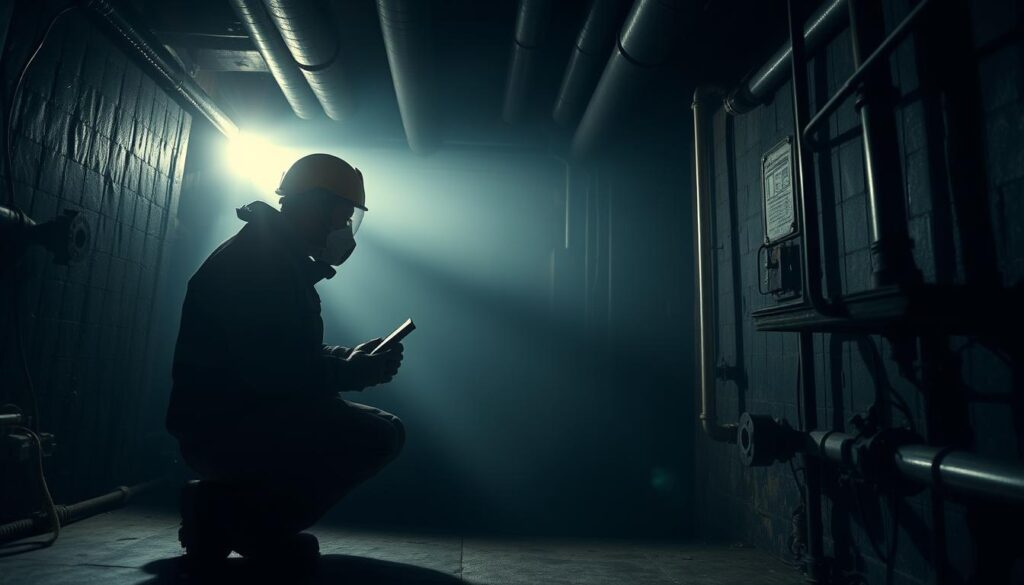
Implementing multi-point testing protocols can significantly enhance safety. This involves testing the atmosphere at multiple points within the confined space to ensure that hazardous conditions are identified.
Key components of multi-point testing protocols include:
- Testing at different depths and locations within the confined space
- Using multiple gas detectors to monitor various hazards simultaneously
- Continuous monitoring to quickly detect any changes in atmospheric conditions
By adopting these protocols, employers can reduce the mistakes in confined space entry and ensure a safer working environment for their employees.
Deadly Mistake #3: Neglecting Proper Training and Certification
Neglecting proper training and certification is a deadly mistake that can have severe consequences in confined space entry. Ensuring that workers are adequately trained is crucial for their safety and the safety of others in the workplace.
Required Training Components Under Canadian Standards
Canadian standards mandate comprehensive training for confined space entry, including:
- Understanding confined space hazards
- Procedures for safe entry and exit
- Use of personal protective equipment (PPE)
- Emergency response planning
Certification Requirements Across Provinces
Certification requirements for confined space training vary across Canadian provinces. For instance:
- Ontario requires certification under the Occupational Health and Safety Act
- British Columbia mandates training that meets the Workers Compensation Act standards
Prevention Strategy: Comprehensive Training Programs
Implementing comprehensive training programs is key to preventing accidents. This includes:
- Regular training sessions
- Practical exercises and simulations
- Continuous assessment and feedback
By focusing on these aspects, employers can significantly reduce the risks associated with confined space entry, ensuring a safer working environment for all.
Deadly Mistake #4: Failure to Implement Effective Ventilation
One of the most critical mistakes in confined space entry is the failure to implement proper ventilation systems. Effective ventilation is crucial for maintaining a safe atmosphere within confined spaces by removing hazardous gases and supplying fresh air.
Ventilation Equipment Selection for Various Confined Spaces
Selecting the right ventilation equipment is vital for ensuring the safety of workers entering confined spaces. Different confined spaces require different types of ventilation systems. For instance, mechanical ventilation is often used in larger confined spaces, while natural ventilation might suffice in smaller, more accessible areas.
The choice of ventilation equipment should be based on the specific hazards identified during the risk assessment. For example, if there’s a risk of gas buildup, a system capable of removing gases effectively should be chosen.
Calculating Proper Air Exchange Rates
Calculating the proper air exchange rate is essential for effective ventilation. The air exchange rate depends on the volume of the confined space, the number of workers inside, and the type of work being performed. A higher air exchange rate is required for spaces with more workers or where hazardous materials are being used.
To calculate the air exchange rate, one must consider the ventilation rate required to maintain a safe atmosphere. This involves understanding the contaminants present and the volume of fresh air needed to dilute them to safe levels.
Prevention Strategy: Continuous Ventilation Monitoring
Continuous ventilation monitoring is a key prevention strategy. By constantly monitoring the ventilation system’s performance, potential issues can be identified and addressed promptly. This includes using sensors to detect changes in air quality and ensuring that the ventilation system is functioning as intended.
Implementing a continuous ventilation monitoring system not only enhances safety but also helps in complying with Legislation requirements. It’s a proactive approach to preventing the mistakes in confined space entry.
Deadly Mistake #5: Inadequate Communication Systems
Inadequate communication systems pose a significant risk during confined space entry, a critical issue in Canadian workplaces. Effective communication is essential for ensuring the safety of workers entering confined spaces, as it enables real-time monitoring and swift response to emergencies.
Establishing Clear Communication Protocols
To avoid the risks associated with inadequate communication, it’s crucial to establish clear communication protocols. This includes defining roles and responsibilities, setting up a communication chain, and ensuring that all team members understand the protocols. Clear communication protocols help prevent misunderstandings and ensure that critical information is conveyed promptly.
Equipment Options for Different Canadian Work Environments
The choice of communication equipment can vary depending on the work environment. For instance, in noisy environments, handheld radios with noise-cancelling features can be effective. In areas with potential explosion hazards, intrinsically safe communication devices are necessary. Understanding the specific needs of your work environment is key to selecting the right communication equipment.
Prevention Strategy: Redundant Communication Methods
Implementing redundant communication methods is a critical prevention strategy. This involves using multiple means of communication, such as two-way radios, hand signals, and written messages, to ensure continuous contact. By having redundant systems, you can mitigate the risk of communication breakdowns during confined space entry operations.
The 7 Critical Mistakes in Confined Space Entry—And How to Avoid Them
As we continue our exploration of confined space safety, it’s crucial to address the final two deadly mistakes that can have catastrophic consequences. Understanding these mistakes is essential for developing a comprehensive safety protocol.
Mistake #6: Improper Rescue Planning
Improper rescue planning is a critical error that can have devastating consequences. A well-planned rescue strategy is essential for ensuring that workers can be safely retrieved in case of an emergency. This involves identifying potential hazards, having the right equipment on hand, and training personnel in rescue procedures.
Mistake #7: Overlooking Permit Procedures
Overlooking permit procedures is another critical mistake that can lead to accidents. Permit procedures are designed to ensure that all necessary safety precautions are taken before entering a confined space. This includes ensuring that the space is properly ventilated, that atmospheric testing has been conducted, and that workers are aware of the potential hazards.
Comprehensive Prevention Strategies for All Seven Mistakes
To prevent the seven deadly mistakes in confined space entry, a comprehensive approach is necessary. This involves conducting thorough risk assessments, providing proper training, ensuring adequate ventilation, and implementing effective communication and rescue plans. By understanding and addressing these critical mistakes, employers can significantly reduce the risk of accidents and ensure a safer working environment.
Conclusion: Building a Culture of Confined Space Safety in Canadian Workplaces
Building a culture of safety around confined space entry is crucial in Canadian workplaces. By implementing confined space safety tips and providing regular confined space training, employers can significantly reduce the risks associated with confined space hazards.
I emphasize that preventing mistakes in confined space requires a proactive approach, including systematic risk evaluation, proper atmospheric testing, and effective ventilation. It’s about creating an environment where safety is paramount and everyone is committed to preventing accidents.By adopting comprehensive prevention strategies, workplaces can ensure a safe working environment for all employees involved in confined space entry. This includes proper training, effective communication systems, and well-planned rescue operations. To prevent mistakes in confined space, it’s essential to foster a culture that prioritizes safety above all else